The Material
Real wood, built to behave.
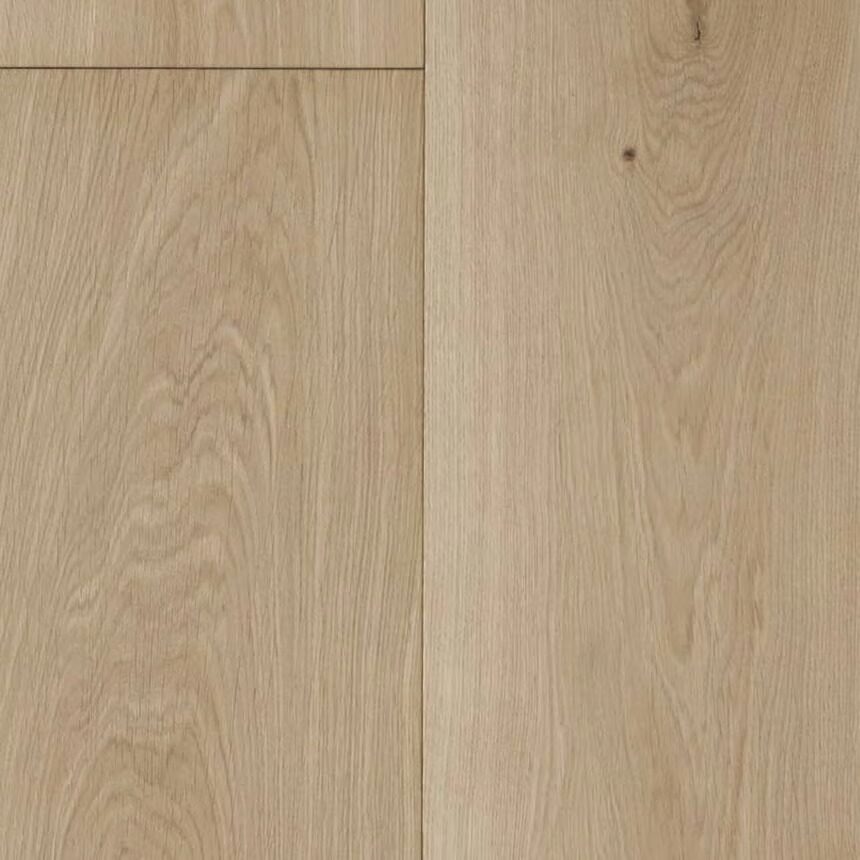
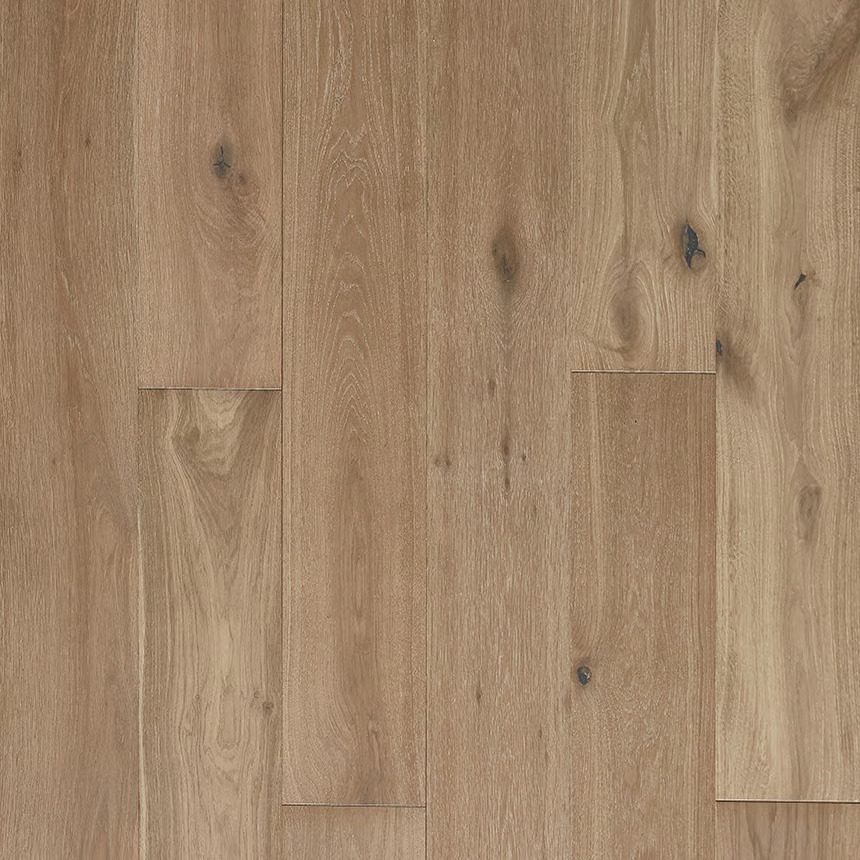
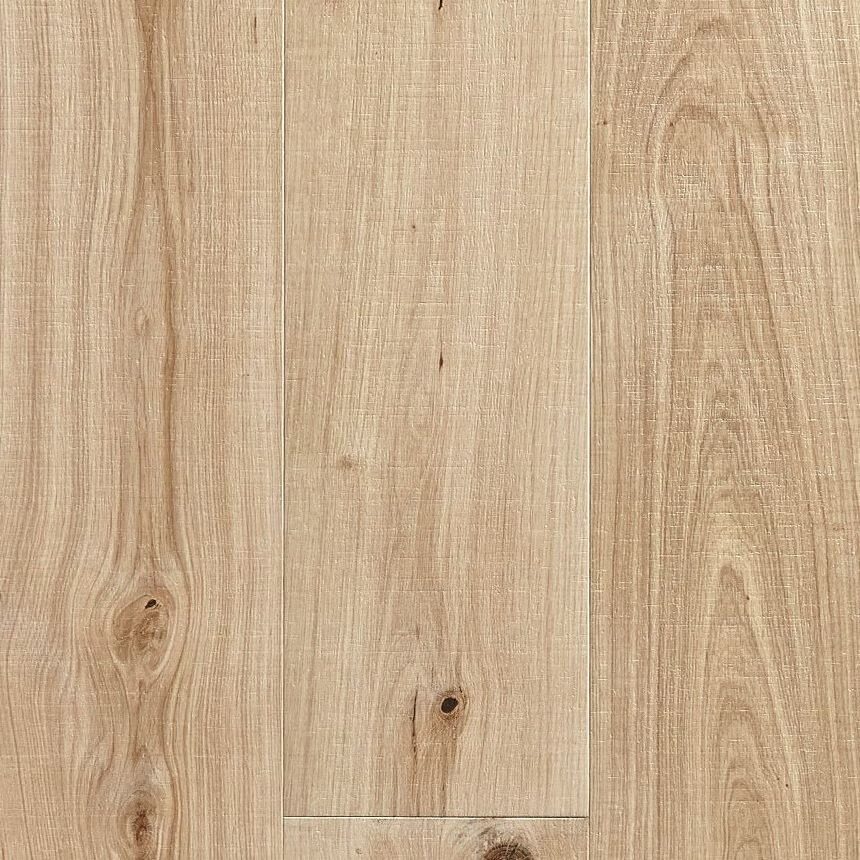
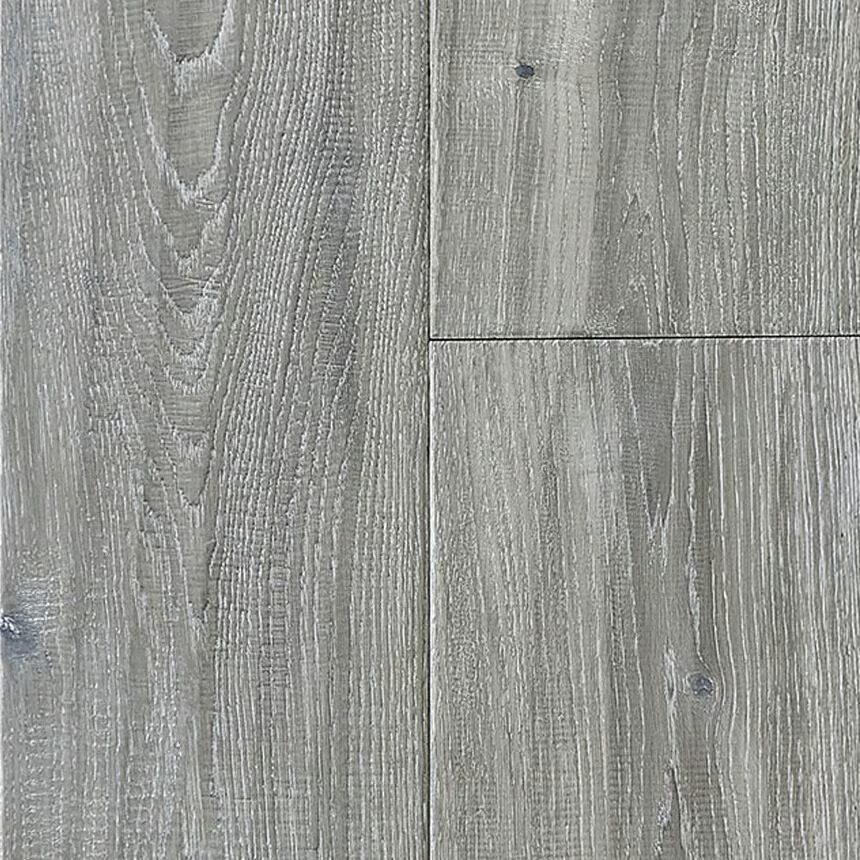
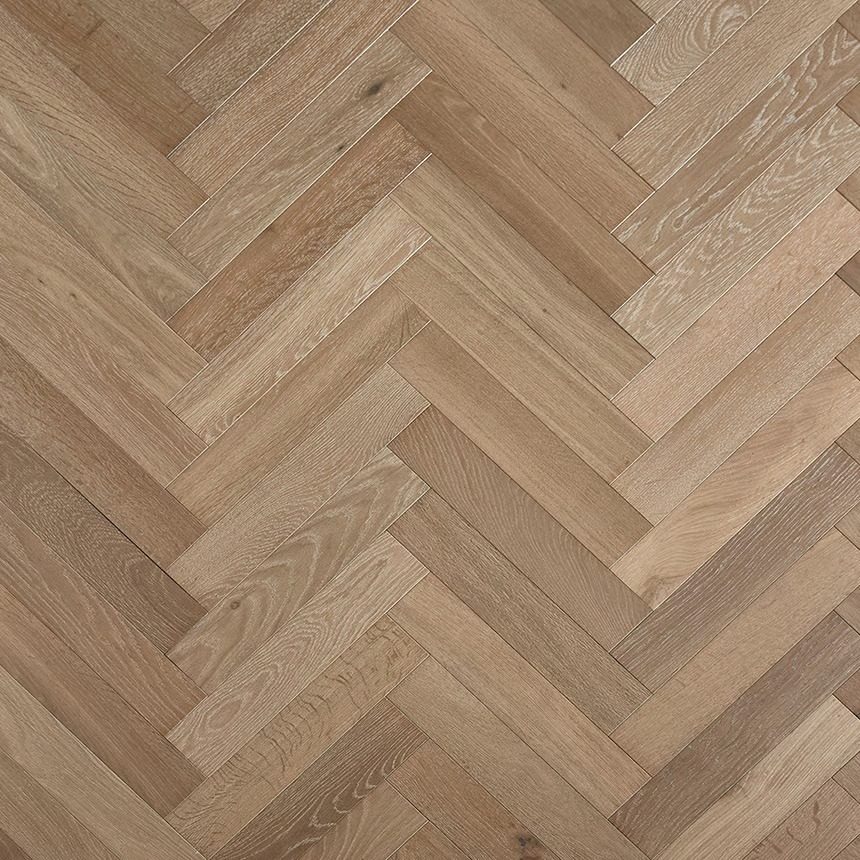
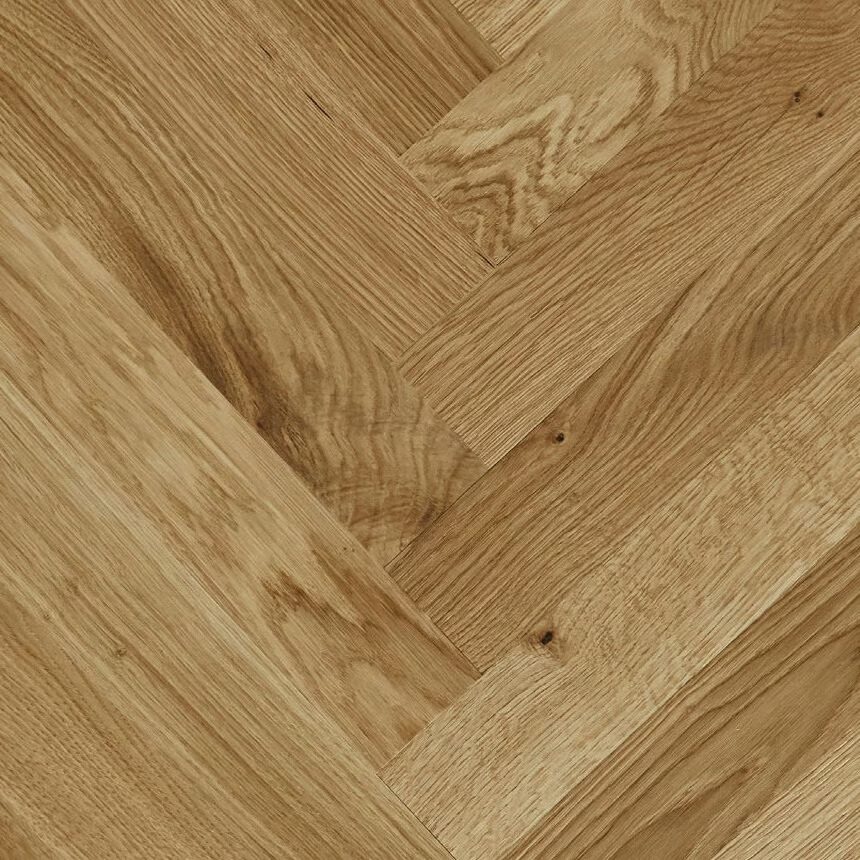
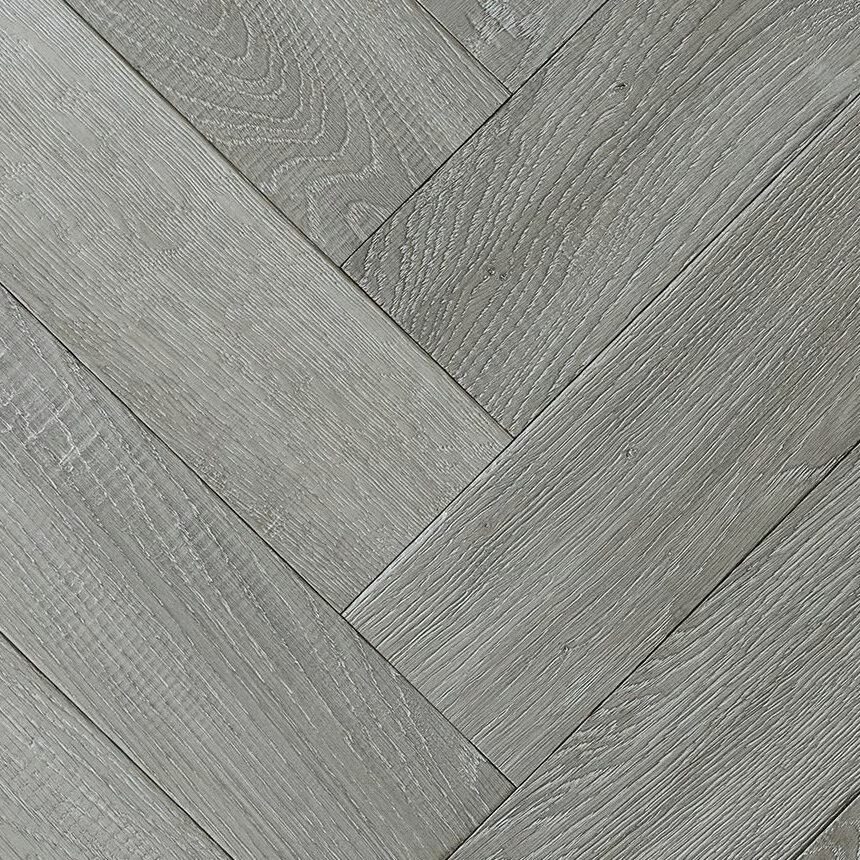
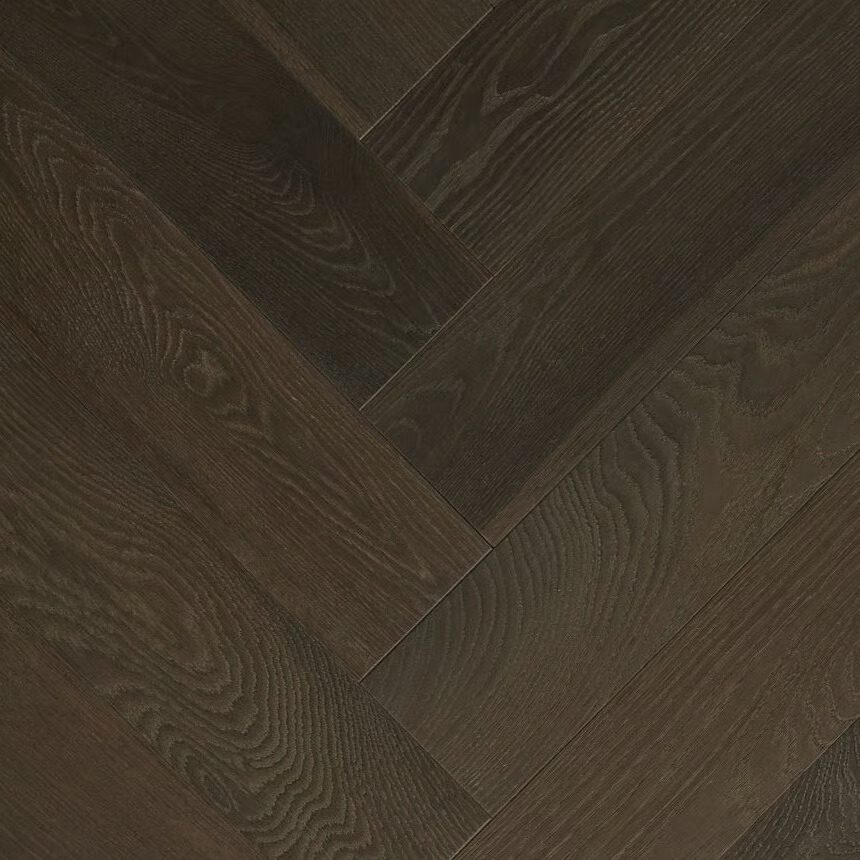
Engineered wood is, at its heart, a piece of solid hardwood — oak, walnut, ash — bonded to a multi-layered core that keeps it dimensionally stable. The top layer is the floor you see and feel. The layers beneath are what stop it from warping, cupping or shrinking when the weather, the heating, or the season changes.
It's a deceptively elegant piece of engineering. A solid oak board, cut from a single piece of timber, will move with humidity. It always has done. In a Victorian terrace with a draughty hallway and a steaming kitchen ten feet away, that movement shows up as gaps in winter and tight, squeaking joints in summer. Engineered construction solves that quietly — the cross-grain plies pull against each other, holding the board flat while the surface remains, in every meaningful sense, real wood.
“You get the warmth and grain of solid oak with the stability that modern homes — and underfloor heating — demand.”
Why it has become the standard
Twenty years ago, engineered wood was the affordable alternative to solid timber. Today it's the default choice for new builds, period restorations and discerning homeowners alike — because it solves problems that solid wood simply cannot.
It works over underfloor heating. It can be laid in wider boards without warping. It's faster to install — click systems, glue-down, or floating — and it can be sanded and refinished multiple times over its life. The best engineered ranges are, frankly, indistinguishable from solid timber once they're down. The difference shows up only in how well they age.