The Material
The floor that solves what wood can’t.
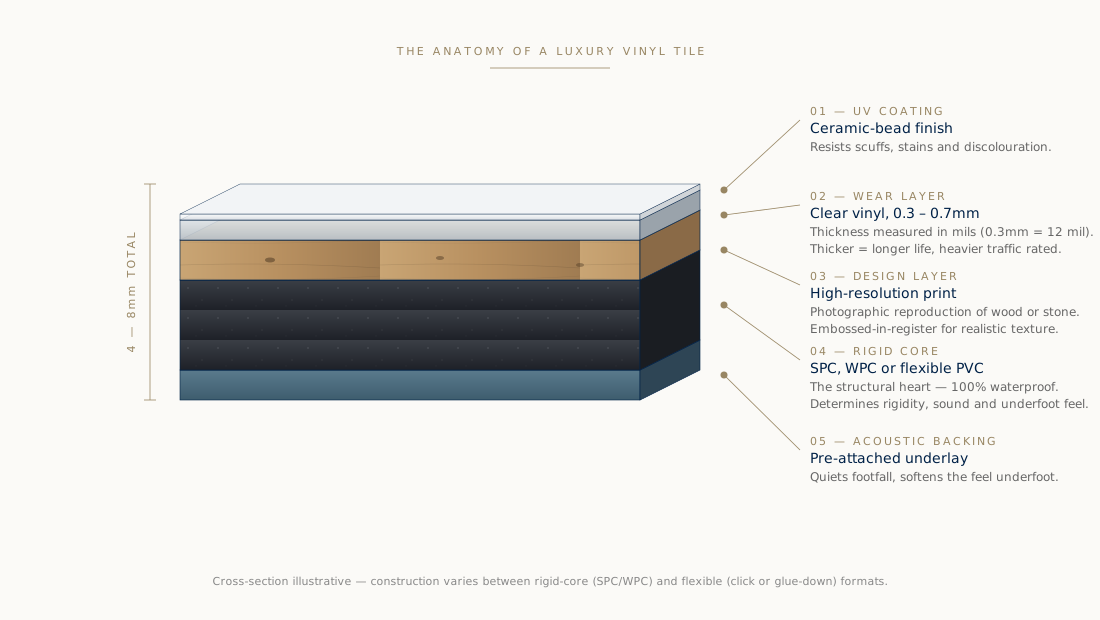
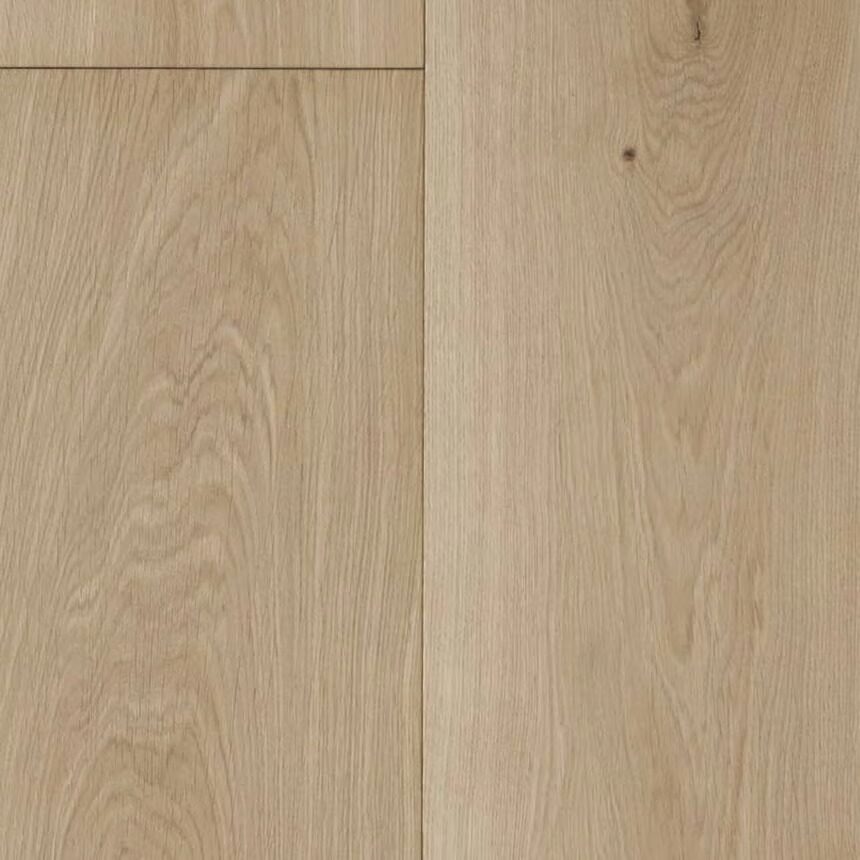
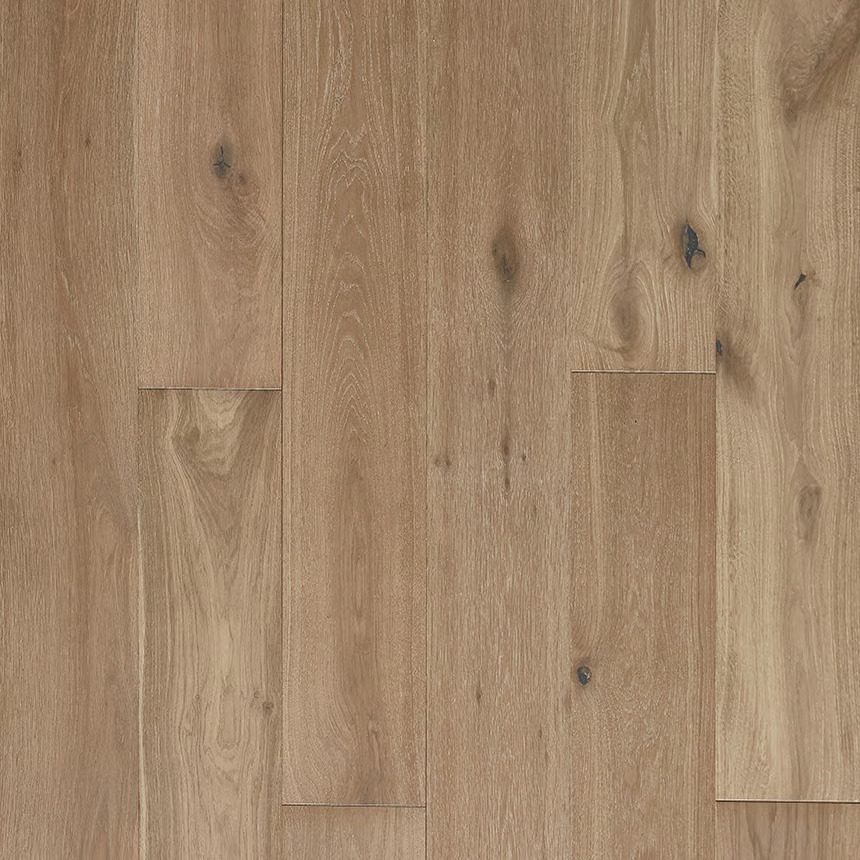
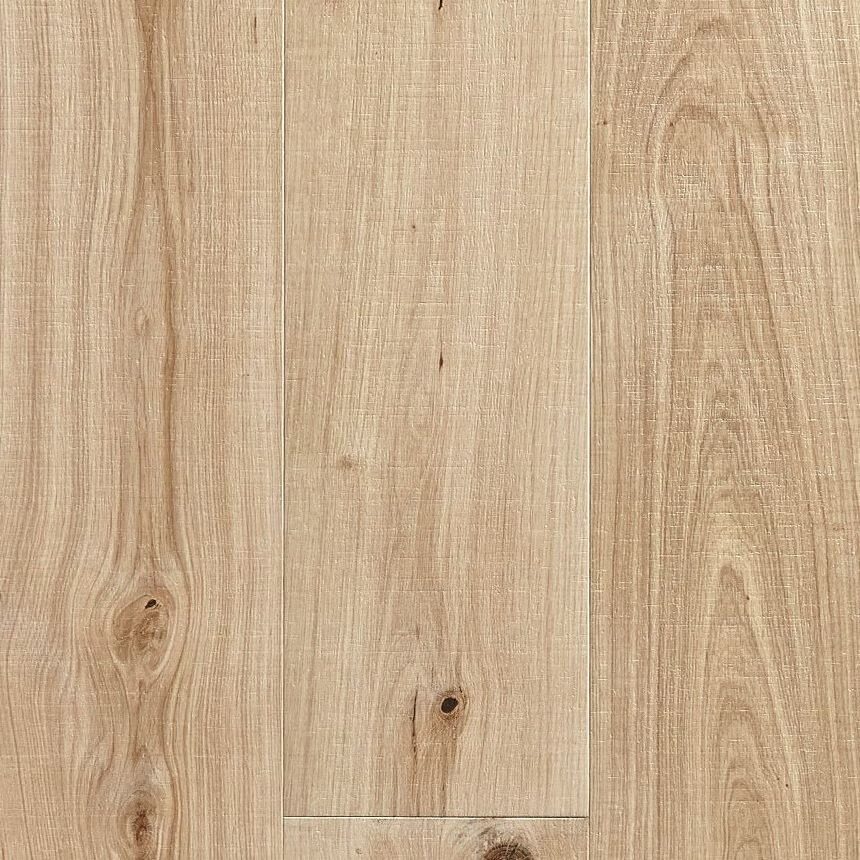
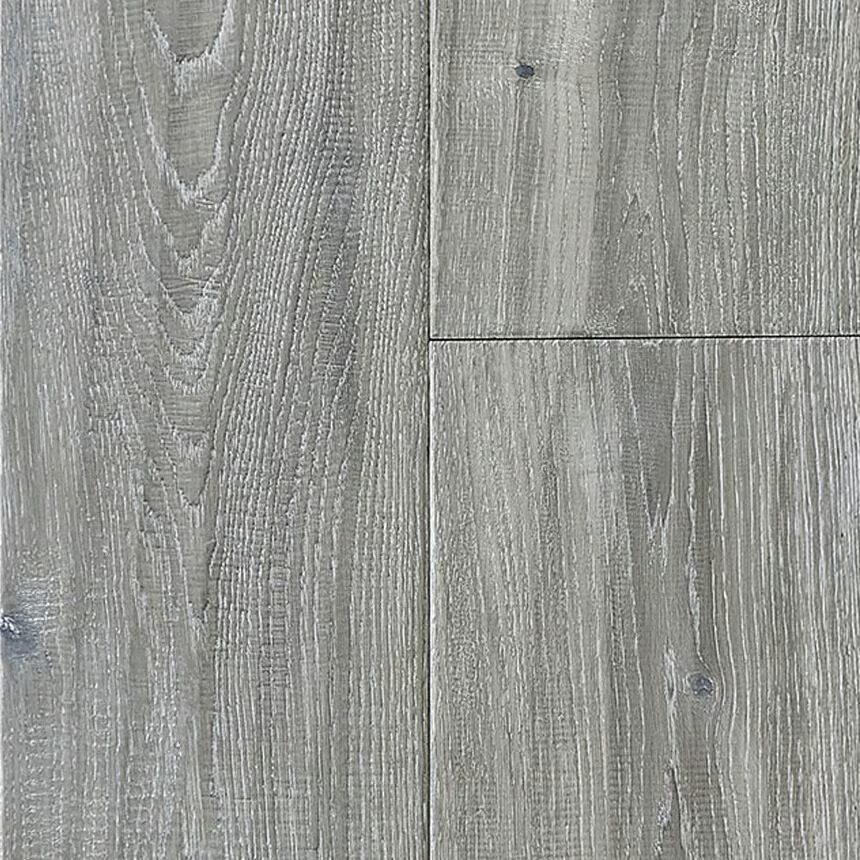
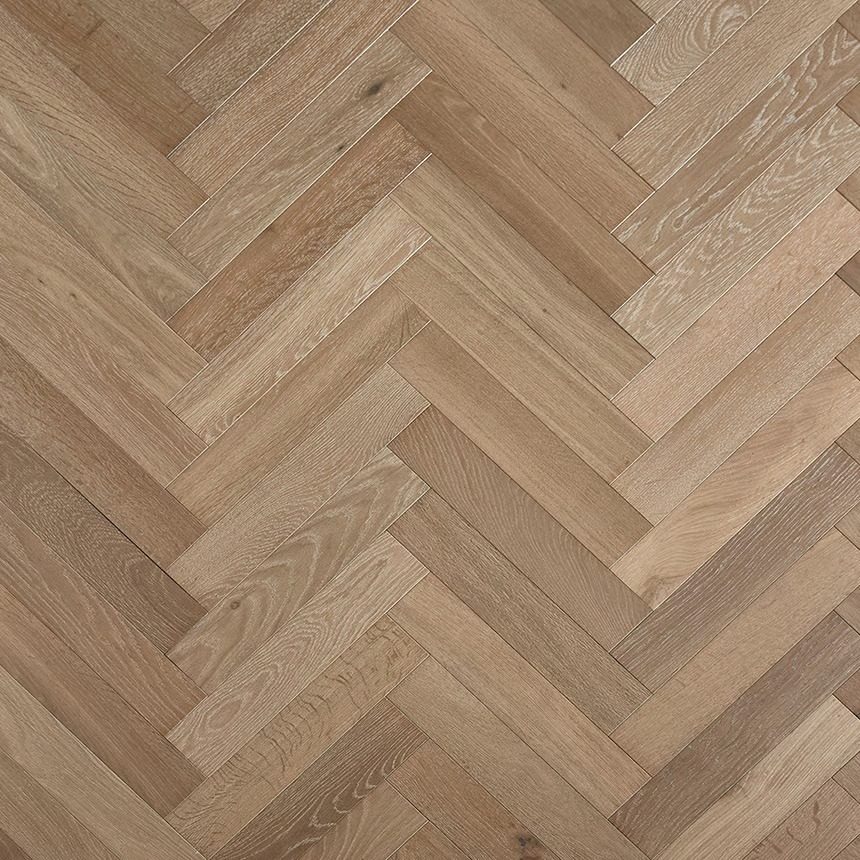
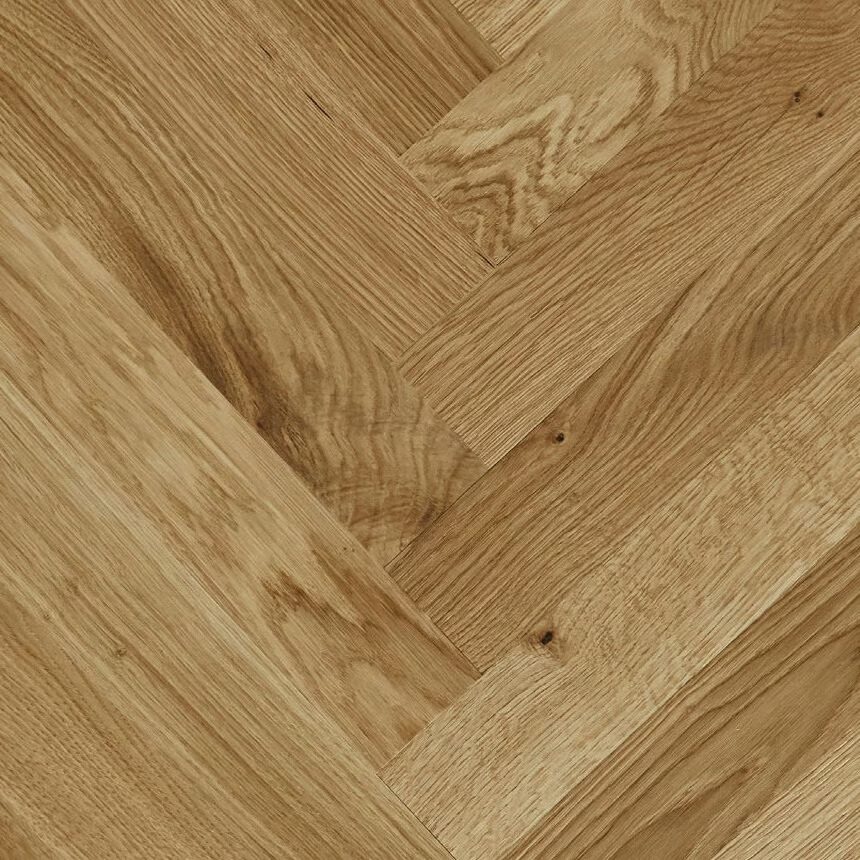
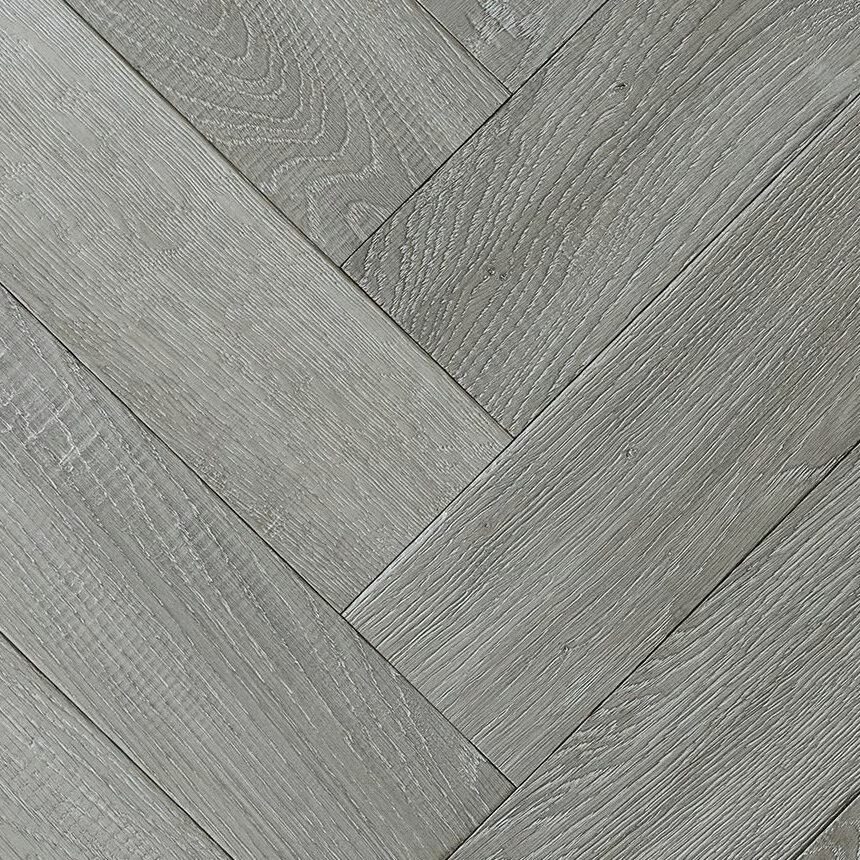
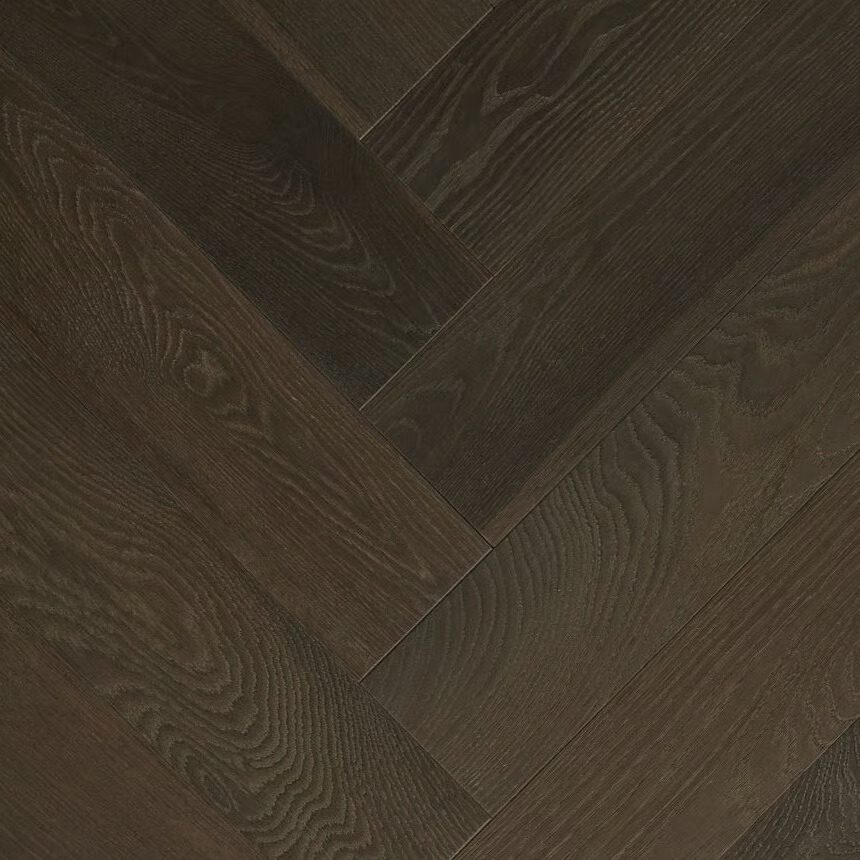
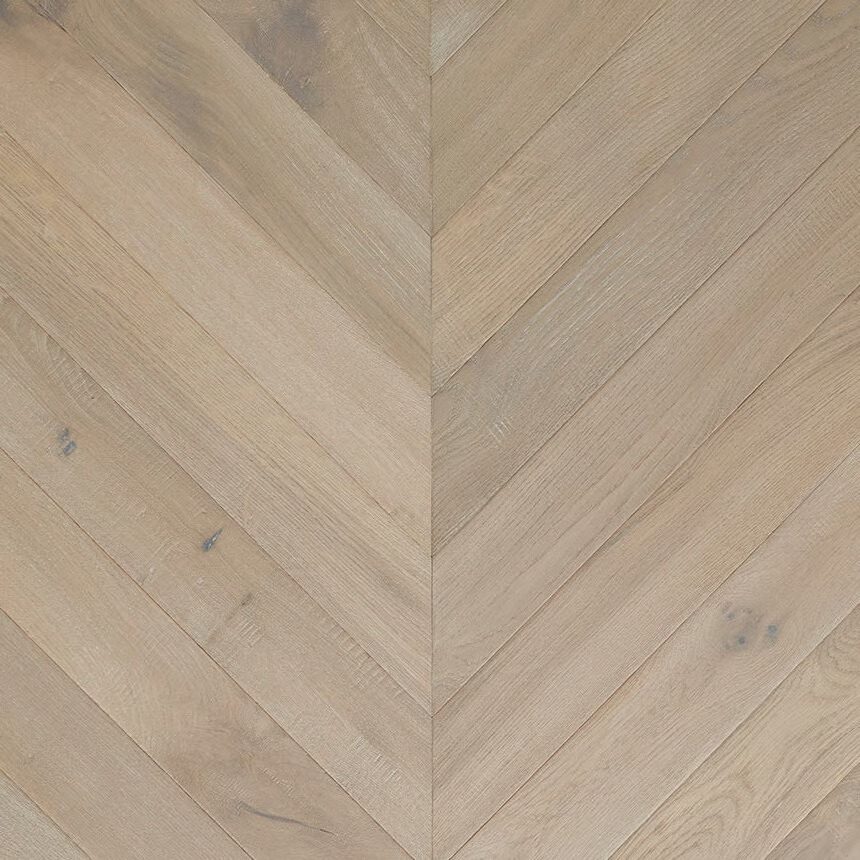
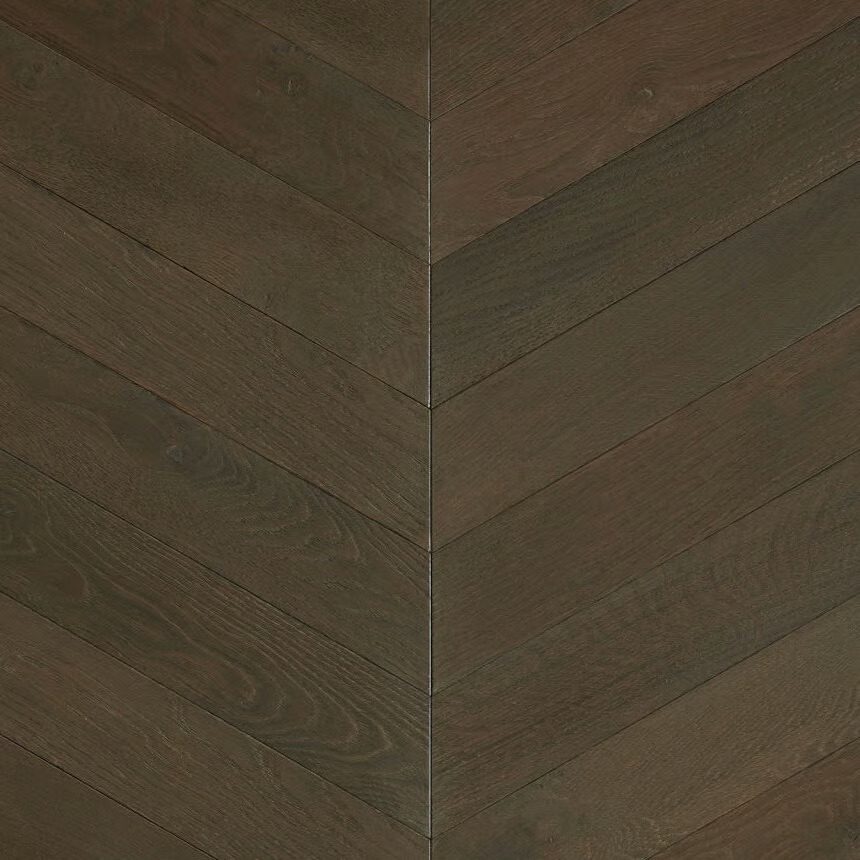
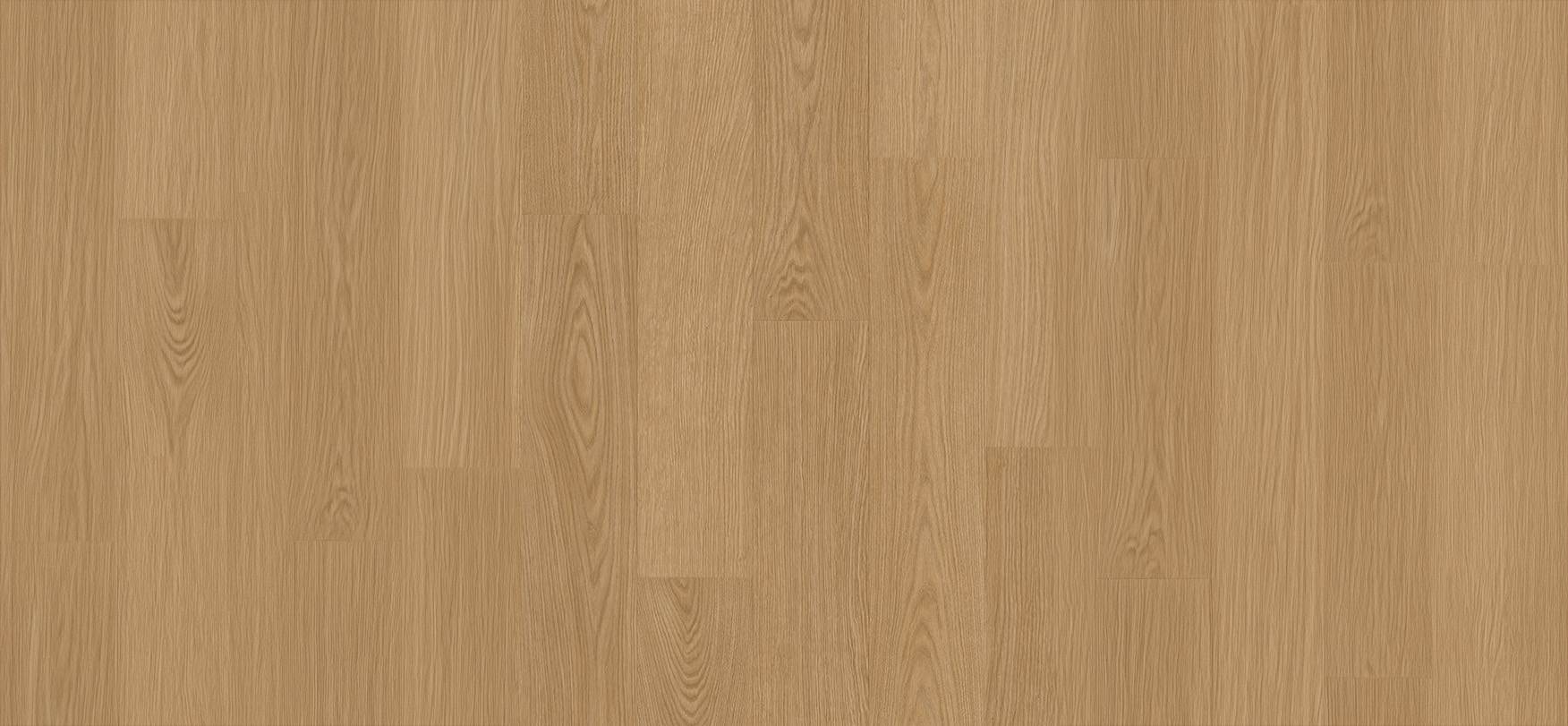
Luxury Vinyl Tile — LVT — is a high-performance flooring built from multiple synthetic layers, with a photographic design layer that reproduces wood, stone or bespoke patterns in remarkable detail. It is entirely waterproof, completely dimensionally stable, and softer underfoot than tile or stone. Everything about its construction has been engineered to deliver one promise: the look of a natural floor, without any of the material’s weaknesses.
The category has come a long way. Early vinyl floors were unmistakably vinyl — thin, shiny, dated within a year. Today’s LVT is a different product entirely. The best ranges use embossed-in-register texture, where the surface grain aligns precisely with the printed pattern beneath. Run your hand across a plank and you’ll feel the open pores of oak or the coarse face of limestone. Most people can’t tell the difference until they’re on their hands and knees.
“It is the intelligent answer for kitchens, bathrooms, boot rooms and anywhere a real wood floor would quietly lose the fight.”
Why it’s chosen over real wood
Not as a compromise — as the right answer for specific rooms. LVT goes where timber shouldn’t: wet rooms, splashy kitchens, utility areas, basements. It handles heavy traffic without visible wear. It quiets footfall in flats and upper floors, which matters more than most homeowners realise until they’ve lived above a noisy neighbour. And because each plank or tile is waterproof through every layer, a spilled drink, a leaking appliance or an overflowing bath is simply wiped up and forgotten — not discovered weeks later as warping, staining or rot.
It is also, in several senses, the practical choice. Easier to clean. Easier to maintain. Easier to repair — a damaged plank can be lifted and replaced without disturbing the rest of the floor. And pound for pound, at the premium end of the market, it sits comfortably alongside engineered wood.